Three FOMC members voted for a rate hike on July 29. That was the loudest signal from the Fed in over a decade — and Kalshi traders heard it immediately.
Within hours of the July decision, the September rate-hike contract on Kalshi jumped past 50 cents. As of early August, it sits at 59%.
Kevin Warsh will not tell you what he's going to do. Kalshi traders are telling you anyway.
The dissent that broke the pattern
Beth Hammack, Neel Kashkari, and Lorie Logan all voted for a 25-basis-point hike at the July meeting. Three dissents in the same direction is the most since September 2016. That is not a rounding error. That is a committee splitting in real time.
The Fed statement itself flagged inflation as "elevated" and pointed at energy supply-shock language for the first time in years. Oil futures had spiked earlier in the month on renewed US-Iran tensions before pulling back.
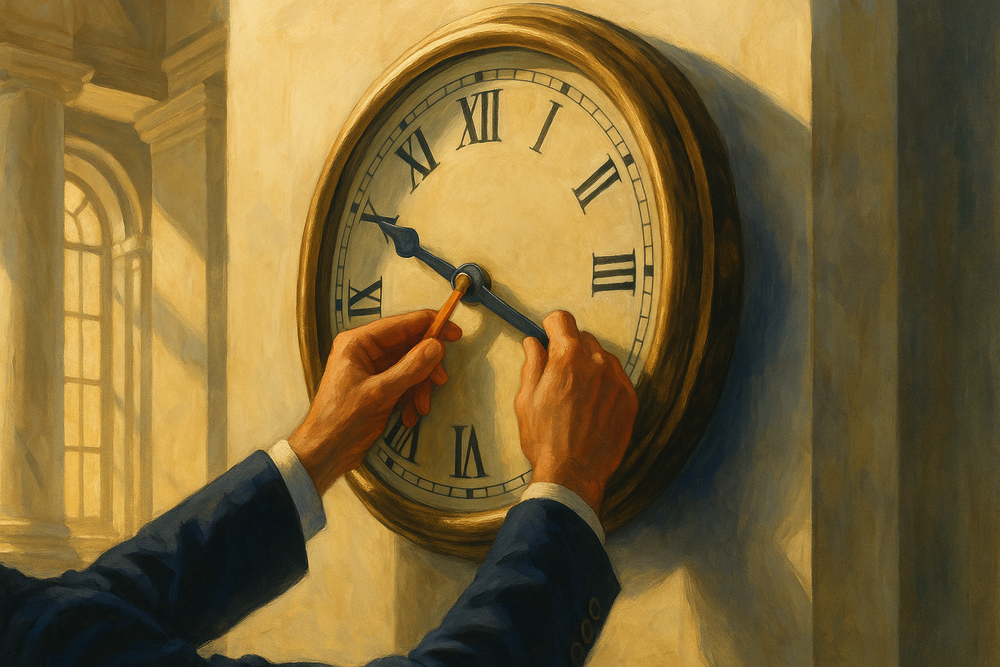
Warsh, on his first press conference as Chair, refused to give forward guidance and said he "asked for a good family fight and got one." That is not a chair signaling a hold. That is a chair setting up the next fight.
Why Kalshi is beating Fed funds futures right now
Barron's just highlighted Federal Reserve research showing Kalshi's day-before FOMC forecasts have outperformed Fed funds futures at predicting policy decisions. That study is why hedge funds now watch both.
Fed funds futures price the average expectation across large institutional traders. Kalshi prices the crowd — retail plus institutional — with different incentives, faster reactions, and a lot of amateur money to arbitrage against.
The result: when Kalshi and CME FedWatch disagree, the disagreement itself is information. When Polymarket prices a 57% chance of zero cuts for all of 2026 while the Fed's dot plot shows one, someone will move.
What the September market is actually pricing
Kalshi's September FOMC contract set breaks down like this:
- Hike 25bps: 59%
- Hold: 40%
- Cut or larger hike: below 2% combined
That is a market screaming that the hawks won the July debate and Warsh will follow through. Volume backs it — over $10 million already traded on the September contract set with more than seven weeks to go.
The Fed's next meeting includes updated economic projections and a revised dot plot. Kalshi's contract will resolve based on the announced decision. Miss the meeting, miss the trade.
What Fed watchers get wrong
Every macro desk on Wall Street quotes Fed funds futures. Almost none of them lead with Kalshi. Yet Barron's, CNBC, and Bloomberg are quoting Kalshi more often every month because prediction market data reacts faster.
Sixteen minutes after the July decision, the September hike contract had moved 8 points. Fed funds futures took nearly an hour to catch up. That gap is the alpha.
The old assumption was that Fed insiders and Wall Street primary dealers set the price. That was true when trading was concentrated on Chicago futures. It is less true now that Kalshi has 3 million active users and Polymarket has hedge fund money.
What Juno lets you do
Juno's rate-decision markets are built for the same use case: a real-time price on what the Fed does next. If you are running a Thai business exposed to USD-THB, or you hold assets that swing on Fed rhetoric, watching Kalshi and Polymarket is a habit. Trading them is a skill.
You can watch the September FOMC contract from Bangkok. You can compare it to what Kasikorn's macro desk publishes. You will notice the gap. That gap is where the next generation of Thai traders will make their name.
The re-frame
Warsh is trying to end the practice of forward guidance. He wants markets to guess. Kalshi and Polymarket built exactly the machinery to do that — a real-time consensus that updates every second. The Fed just made prediction markets more useful than ever, and the September meeting is the first big test.